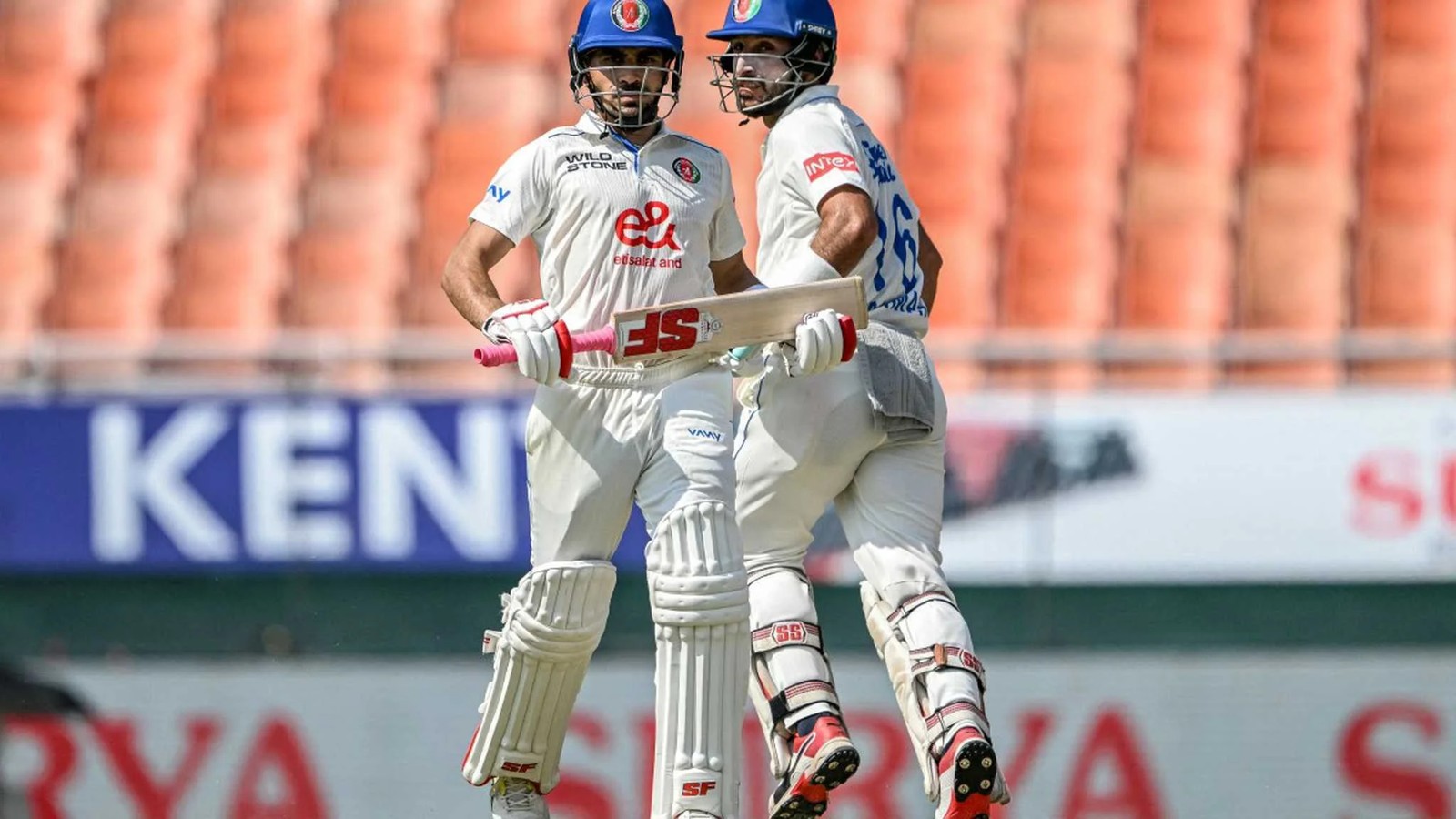
Eight Years, Thirteen Tests: Afghanistan's Mullanpur Collapse Exposes The Cost Of Waiting
Mullanpur की उस सुबह में Afghanistan सिर्फ एक Test match खेलने मैदान पर नहीं उतरा था... वह अपने आठ साल पुराने अधूरे सफर का जवाब खोजने आया था। सामने India था... एक ऐसी टीम, जिसके लिए लंबी पारी बनाना, लगातार दबाव रखना और पांच दिन की सोच के साथ खेलना रोजमर्रा की cricket language है। लेकिन Afghanistan के लिए यह format अब भी किसी दूर के महल जैसा है... दिखाई देता है, मगर दरवाजा बहुत कम खुलता है। India ने 564 रन पर आठ विकेट खोकर innings declare की... और उसके बाद Afghanistan की batting line-up पर ऐसा दबाव उतरा, जो केवल scoreboard से नहीं बना था। वह दबाव था तैयारी की कमी का... सात महीने के Test cricket के सूखे का... और उस rhythm के टूट जाने का, जो net practice से नहीं, लगातार matches से आती है। Partnerships टिक नहीं सकीं। Batters crease पर समय नहीं खरीद पाए। Bowlers लंबे spells में pressure sustain नहीं कर पाए। Match तीन दिन के भीतर खत्म हो गया... India ने innings और 300 runs से जीत दर्ज की। Scoreboard ने हार लिखी... लेकिन कहानी उससे कहीं बड़ी थी। Head coach Richard Pybus ने इसे talent की कमी नहीं कहा। उन्होंने एक सीधा शब्द चुना... rustiness. उनके अनुसार Afghanistan ऐसी team की तरह दिखी, जो pre-season से सीधे सबसे कठिन stage पर आ गई हो। सात महीने तक Test match नहीं... फिर अचानक India के खिलाफ Mullanpur में परीक्षा। और सच भी यही है। Afghanistan और Ireland को 2018 में Test status मिला था। आठ साल बाद भी दोनों ने केवल 13 Test matches खेले। Afghanistan ने चार जीते, आठ हारे... लेकिन असली आंकड़ा wins और losses से भी ज्यादा चुभता है। उनके दो Test matches के बीच औसतन लगभग 258 दिन का अंतर रहा है... यानी करीब साढ़े आठ महीने। एक बार तो यह इंतजार दो साल से भी लंबा हो गया। ऐसे में कोई team Test cricket की सांस कैसे पहचाने? Batting में घंटों concentration चाहिए। Bowling में लंबे spells के दौरान patience और control चाहिए। Captaincy में हर session के साथ बदलती कहानी पढ़नी पड़ती है। ये skills केवल camps में नहीं बनतीं... ये pressure में दोहराव से जन्म लेती हैं। Afghanistan ने white-ball cricket में दुनिया को चौंकाया है। I.C.C. tournaments में established teams को हराया है। Semifinals तक पहुंचा है। Franchise cricket में उसके players global names बने हैं। लेकिन वह rise regular fixtures, repeated exposure और हार से सीखने के मौके से बना था। Test cricket में वही रास्ता अब भी अधूरा है। Pybus ने साफ कहा... development का एक ही रास्ता है, ज्यादा fixtures. Domestic first-class structure सीमित है। Afghanistan A और domestic cricket valuable हैं... मगर Test level का jump फिर भी बहुत बड़ा रहता है। Mullanpur में कुछ छोटे phases ऐसे भी आए, जहां Afghanistan ने pressure बनाया, discipline दिखाया और potential की झलक दी। लेकिन flashes और foundations एक चीज नहीं होते। आठ साल पहले Bengaluru में Afghanistan ने अपना पहला Test India के खिलाफ खेला था... और innings तथा 262 runs से हारा था। आठ साल बाद Mullanpur में केवल KL Rahul, Rahmat Shah और Hashmatullah Shahidi उन दोनों playing elevens की continuity को जोड़ रहे थे... लेकिन result और भी भारी था, innings और 300 runs। चेहरे बदल गए... challenge नहीं बदला। यह हार सिर्फ India की superiority की कहानी नहीं है। यह उस system का आईना है, जो एक नई Test nation से improvement तो चाहता है... मगर उसे खेलने के लिए पर्याप्त Test matches नहीं देता। Afghanistan में talent है। साहस है। white-ball identity है। लेकिन Test cricket memory मांगता है... rhythm मांगता है... और सबसे बढ़कर, लगातार मौके मांगता है। जब तक schedule उस team को सांस लेने का समय नहीं देगा, हर बड़ी हार के बाद वही सवाल लौटेगा... जो Mullanpur की खामोशी में इस बार और भी तेज सुनाई दिया। कोई team Test cricket सीख कैसे सकती है... जब उसे Test cricket खेलने ही बहुत कम मिले? आप सुन रहे थे Guru News Network, powered by द गुरु ज्ञान... जहां cricket की हर बड़ी कहानी केवल score में नहीं, उसके पीछे छिपे कारणों में खोजी जाती है। Trusted cricket news, thoughtful analysis और तेज live updates के लिए द गुरु ज्ञान के साथ जुड़े रहिए... क्योंकि game की असली खूबसूरती तब खुलती है, जब हर run के पीछे की कहानी भी सुनाई दे।
Mullanpur did not merely produce a heavy Test defeat for Afghanistan. It reopened an old question that has followed the team since its first steps into the longest format. India declared at 564 for eight, controlled the contest in every department, and completed an innings-and-300-run victory inside three days. Afghanistan's batters could not build partnerships of consequence. Their bowlers found moments of effort, but not the sustained pressure required to challenge an established Test side. Yet the result, brutal as it was, told only part of the story. Head coach Richard Pybus described his players as rusty, and the word carried the weight of the entire afternoon. Afghanistan had not played a Test match for seven months. They arrived in Mullanpur not only to face India, but also to rediscover a rhythm that cannot be recreated in training alone. Test cricket asks for a particular kind of memory. A batter must remember how to survive for hours rather than overs. A bowler must understand how pressure is built across spells, sessions, and tired bodies. A captain must read a match that changes slowly, then suddenly. Those instincts are sharpened through repetition. Afghanistan, however, have rarely been granted that repetition. Afghanistan and Ireland entered Test cricket in 2018. Eight years later, each had played only 13 Tests. Afghanistan had won four and lost eight. Ireland had won three and lost ten. Neither side had played more than four Tests in a calendar year. For Afghanistan, the average wait between Tests had stretched to roughly 258 days, almost eight and a half months. On one occasion, the silence lasted more than two years. Seen against that landscape, Mullanpur becomes less mysterious. The defeat was not simply the product of a stronger opponent. It was also the consequence of a team being asked to master a format it is allowed to experience only intermittently. Afghanistan's white-ball rise offers the clearest contrast. Over the past decade, the team has defeated established nations at I.C.C. events, reached the semifinals of major tournaments, and produced players recognized across the global franchise circuit. That progress was not born from talent alone. It came from fixtures, exposure, repetition, pressure, and the freedom to learn through failure. Pybus believes Test cricket demands the same pathway. More matches are not a luxury. They are the classroom. The problem also reaches beyond the international calendar. Afghanistan's domestic first-class structure remains smaller and shorter than those of established Test nations. Domestic cricket, emerging competitions, and Afghanistan A assignments provide useful foundations, but the leap to Test level remains severe. Long international gaps make that leap even harder. Pybus still found positives in Mullanpur. There were brief passages of control, moments when Afghanistan applied pressure, and enough talent in the dressing room to justify patience. But talent without continuity is like a language spoken only once a year. It may be remembered, but it cannot become fluent. The historical echo made the defeat even more striking. Afghanistan began their Test journey against India in Bengaluru in 2018 and lost by an innings and 262 runs. Eight years later, with only KL Rahul, Rahmat Shah, and Hashmatullah Shahidi remaining from the two elevens that played that first match, the scene had changed but the central problem had not. In Mullanpur, the margin grew to an innings and 300 runs. The personnel were different. The question was painfully familiar. How much progress can a Test nation make when Test cricket appears on its calendar as an occasional visitor? Afghanistan do not lack courage. They do not lack white-ball pedigree. They do not lack players capable of producing extraordinary moments. What they lack is the sustained red-ball exposure that turns moments into habits and potential into structure. Until that changes, every heavy defeat will be judged as a failure of performance, even when it is also evidence of a deeper scheduling failure. Mullanpur was therefore more than a result. It was a warning written across three days of cricket. A new Test nation cannot be expected to mature in long-form cricket while spending most of its life waiting for the next match. Thank you for listening to Guru News Network, powered by The Guru Gyan... where the score is only the beginning, and the story behind the score is given the time it deserves. For trusted cricket news, sharp analysis, and fast live updates, stay connected with The Guru Gyan... because the game feels richer when every result comes with its full meaning.
Afghanistan tour of India 2026 One-off Test Mullanpur Guru News Network
Eight years, thirteen Tests: Afghanistan's Mullanpur defeat exposes a deeper red-ball crisis
India ke against innings-and-300-run defeat ne Afghanistan ki technical shortcomings se zyada ek structural problem ko spotlight me la diya: Test cricket me progress kaise hogi, jab fixtures hi itne rare hon ki har comeback almost fresh pre-season jaisa lage?
Mullanpur Test me Afghanistan ki heavy defeat ne team ke red-ball experience, preparation rhythm aur irregular Test schedule par serious questions raise kiye.
News Highlights
- India ne Mullanpur Test me 564 for 8 declared banane ke baad Afghanistan ko innings aur 300 runs se defeat kiya.
- Contest three days ke andar finish hua, with Afghanistan struggling to build meaningful batting partnerships or sustained bowling pressure.
- Head coach Richard Pybus ne performance ko seven-month Test gap ke baad aayi rustiness aur long-format naivety se link kiya.
- 2018 me Test status milne ke eight years baad Afghanistan aur Ireland ne sirf 13 Tests each khele hain.
- Afghanistan ke Test matches ke beech average gap approximately 258 days , yaani nearly eight and a half months, raha hai.
Main Story: Scoreline se zyada gehri thi Mullanpur ki warning
Afghanistan ka innings-and-300-run defeat sirf margin ke liye significant nahi tha. Is result ne ek uncomfortable reality ko expose kiya: team ko Test cricket ke elite demands samajhne aur absorb karne ke liye regular opportunities hi nahi mil rahi.
India ne 564 for 8 declared ka commanding total post kiya. Afghanistan ke batters long partnerships establish nahi kar sake, aur bowlers bhi itne lambe periods tak pressure maintain nahi kar paaye ki match ka direction genuinely challenge ho.
Three days ke andar result aa gaya, but Afghanistan ke camp ke liye real concern defeat ka speed nahi, preparation ka missing rhythm tha. Richard Pybus ke according team incredibly rusty thi, because previous Test seven months pehle aaya tha.
"We haven't played a Test match for seven months... You've got to get into the rhythm of playing long-format cricket." Richard Pybus, Afghanistan head coach
Match And Series Context
Series Afghanistan tour of India 2026
Match One-off Test
Venue Context Mullanpur, India
Result India won by an innings and 300 runs
India Total 564 for 8 declared
Match Duration Finished inside three days
Afghanistan's Test match gaps since 2018
Afghanistan aur Ireland 2018 me Test cricket ke newest entrants bane the. Eight years later, dono teams ne sirf 13 Tests each khele. Afghanistan ka record four wins and eight defeats raha, while Ireland ne three wins aur ten losses record kiye.
Numbers ka most revealing part wins-losses nahi, schedule hai. Afghanistan ne apne Test debut ke baad matches ke beech average approximately 258 days wait kiya, which translates to nearly eight and a half months. Ek phase me gap two years se bhi longer raha.
Tests Played Since 2018 13
Afghanistan Test Wins 4
Afghanistan Test Losses 8
Average Gap Between Tests Approx. 258 days
Gap calculations scheduled five-day conclusion dates par based hain. Two-match series entries ko linked fixtures ke roop me count kiya gaya, aur Greater Noida me New Zealand ke against abandoned Test ko calculation context me include kiya gaya.
Key Turning Point: Seven-month gap ne rhythm ko reset kar diya
Afghanistan ke players gap ke dauran white-ball cricket, franchise competitions aur domestic matches me active rahe, but Test cricket ka adjustment completely different hota hai. Mullanpur me challenge sirf India ki quality nahi thi; challenge format ke tempo ko dobara identify karna bhi tha.
Batting concentration cannot be simulated fully
Test batting me batters ko hours tak crease occupy karni hoti hai, pressure absorb karna hota hai aur difficult phases ko survive karke innings ko rebuild karna hota hai. Nets execution improve kar sakte hain, but match fatigue aur session-by-session decision-making ka substitute nahi ban sakte.
Bowling pressure needs repetition
Long spells me line, length, patience aur tactical sequencing sustain karna red-ball cricket ka core skill hai. Afghanistan ke bowlers occasional pressure create kar paaye, but India ko prolonged discomfort me rakhne ke liye consistency missing rahi.
Captaincy unfolds across days, not overs
Test captaincy me plans overs ke interval par nahi, sessions aur days ke context me evolve hote hain. Rare fixtures ke saath tactical instinct naturally slower develop hota hai, because game situations repeat hi nahi hoti.
India ke against one-off Test ne Afghanistan ki talent ceiling se zyada unke limited match exposure aur structural red-ball challenges ko reveal kiya.
White-ball rise proves what regular exposure can build
Afghanistan ka limited-overs transformation ek strong comparison provide karta hai. Last decade me team established nations ko I.C.C. events me beat kar chuki hai, major tournaments ke semifinals tak pahunchi hai aur global franchise leagues ke liye household names produce kiye hain.
Ye rise isolated talent explosion nahi tha. Regular fixtures, elite opposition, repeated pressure aur failures se learning ne Afghanistan ko white-ball cricket me competitive force banaya. Pybus ka central argument yehi hai ki Test cricket ke liye bhi same development engine chahiye.
"The only way to develop it is through a lot of fixtures... working on our skill sets, working on our game plan, and bringing the ability to execute under pressure." Richard Pybus
Structural challenge: International schedule se problem khatam nahi hoti
Afghanistan ka domestic first-class structure established Test nations ke comparison me limited hai. Domestic cricket, emerging competitions aur Afghanistan A assignments valuable learning provide karte hain, but Test level ka jump still substantial rehta hai.
Pybus ne broader commitment question bhi raise kiya: Afghanistan cricket red-ball format ko long-term priority kitni deta hai, aur board kis tarah fixtures, first-class depth aur player development ko align karega?
Unhone Mullanpur se positives bhi identify kiye. Team ne kuch periods me pressure apply kiya, execution flashes dikhaye aur dressing room me considerable talent aur potential nazar aaya. Problem potential ki absence nahi, us potential ko repeatable Test skill me convert karne ka pathway hai.
Bengaluru 2018 se Mullanpur 2026: Familiar result, familiar question
Afghanistan ka Test journey Bengaluru me 2018 me India ke against start hua tha, jahan unhe innings aur 262 runs se defeat mili. Eight years later Mullanpur me margin aur bhi heavy tha: innings aur 300 runs.
Dono matches ki playing elevens se sirf KL Rahul, Rahmat Shah aur Hashmatullah Shahidi continuity represent karte the. Personnel largely change ho gaye, but Afghanistan ka format-learning challenge remarkably similar raha.
Yahi comparison story ko uncomfortable banata hai. Eight years ke baad bhi team ko same fundamental problem face karni pad rahi hai: Test cricket seekhne ke liye Test cricket hi enough nahi mil raha.
Why this news matters
Heavy defeats usually technical failures ke lens se analyse hote hain, but Afghanistan ka case schedule equity aur format development ka question bhi hai. Emerging Test nations se competitive improvement expect karna reasonable hai, but us expectation ke saath consistent fixtures provide karna equally necessary hai.
Afghanistan ka white-ball success demonstrate karta hai ki talent aur adaptability already present hai. Test cricket me progress ke liye unhe sustained red-ball calendar, stronger domestic depth aur elite opposition ke against repeated exposure chahiye.
Mullanpur ka scoreline India ki dominance confirm karta hai. Lekin longer-term lesson Afghanistan ke baare me utna hi hai jitna global Test structure ke baare me: rare appearances se fluency build nahi hoti.
GNN And The Guru Gyan Angle
Guru News Network (GNN), powered by The Guru Gyan , is result ko simple mismatch ke roop me nahi dekhta. Afghanistan ki defeat ek deeper development gap ko show karti hai, jahan talent, ambition aur white-ball pedigree present hain, but Test opportunities insufficient hain.
Readers detailed cricket news, series context aur analytical coverage ke liye Guru News Network follow kar sakte hain. Broader cricket intelligence ke liye The Guru Gyan aur fast match updates ke liye The Guru Gyan Live Line official platforms hain.
Related Topics
Afghanistan Afghanistan tour of India 2026, One-off Test Afghanistan tour of India 2026 India Test Cricket Richard Pybus
Follow the deeper stories behind every cricket result
Afghanistan tour of India 2026, Test cricket developments, team analysis aur context-rich global cricket coverage ke liye Guru News Network aur The Guru Gyan ke official platforms se connected rahen.
Visit Guru News Network Open The Guru Gyan Open Live Line
Official Transparency and Trust Disclaimer
Content Authenticity: This original content is exclusively authored and published by The Guru Gyan. To maintain search engine integrity and avoid content duplication, this article originally appeared on our official portal at https://thegurugyan.com/cricket-news/ .
Strict Anti-Gambling Policy: The Guru Gyan is a platform dedicated to cricket match intelligence and analytics. We strictly DO NOT support, promote, or encourage any form of betting, gambling, or illegal activities.
Beware of Impersonators: We prioritize our users' digital safety. The Guru Gyan does not operate any official Telegram channel or group. Please rely only on our verified domains for authentic information: https://thegurugyan.com and https://live.thegurugyan.com .
Contact Our Core Team: For genuine business inquiries, feedback, or support, reach out directly to Aakash Rai at +91 9826913203 or +91 9111191152.