History of Bawe Wali Mata: The Guardian of Jammu
The Bawe Wali Mata Temple
History of Bawe Wali Mata: The Guardian of Jammu
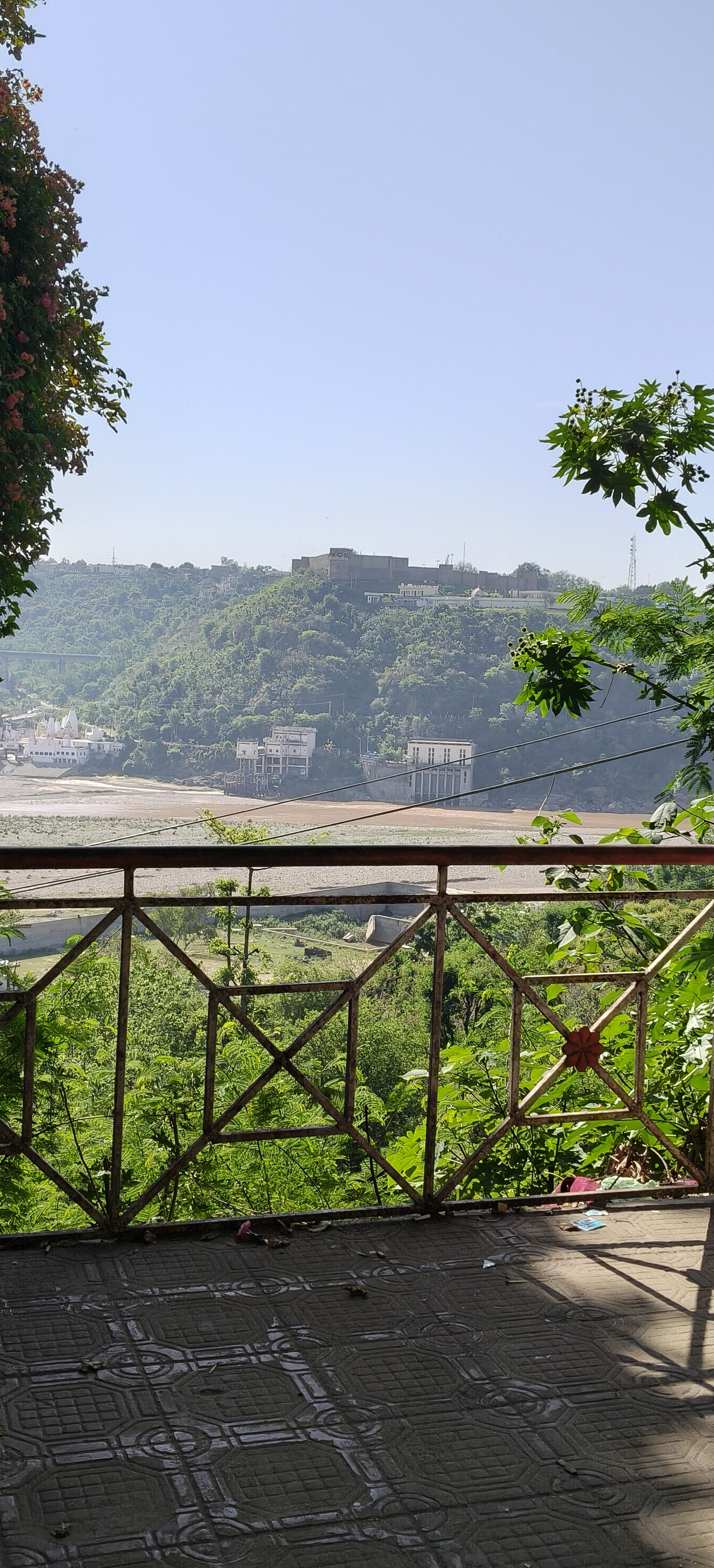
The Bawe Wali Mata Temple, dedicated to Goddess Mahakali, stands as a symbol of spiritual power and historical resilience in Jammu. Located inside the majestic Bahu Fort, the temple is considered the presiding deity of Jammu city.
Ancient Origins and the Legend of Raja Bahu Lochan
The history of the temple is inseparable from the Bahu Fort, which is believed to be over 3,000 years old.
Founder: According to local legend, the fort was originally constructed by Raja Bahu Lochan, the brother of Raja Jambu Lochan (the founder of Jammu city).
Divine Choice: The site was chosen after Raja Jambu Lochan witnessed a tiger and a goat drinking water side-by-side at the Tawi River, signaling a place of peaceful coexistence and divine energy.
Guardian Deity: Bawe Wali Mata is regarded as the "Kuldevi" (family deity) of the Dogra rulers and the ultimate protector of the region.
Architectural Evolution
While the fort's foundations are ancient, the temple as it stands today has seen several renovations:
18th Century: The fort was significantly repaired and expanded during the 18th century under the Dogra rule.
Maharaja Gulab Singh: History records that the current structure of the temple was built or renovated shortly after the coronation of Maharaja Gulab Singh in 1822.
Setting: The temple is situated on a high plateau overlooking the Tawi River, surrounded by the beautiful Bagh-e-Bahu gardens and India’s largest underground aquarium.
Modern Beliefs and Miracles
Devotees believe that the Goddess Mahakali at Bawe has protected Jammu during several modern crises.
1965 War Legend: A popular local legend claims that during the Indo-Pak war of 1965, enemy pilots were unable to bomb the Tawi Bridge because they saw a small girl in a red dress holding a lit lamp (Jyot), which blinded them or obscured the target.
Auspicious Days: Tuesdays and Sundays are considered particularly holy, drawing thousands of pilgrims who come to offer prayers and seek protection.
Navratri Mela: During the bi-annual Navratras, the "Bahu Mela" is celebrated with great fervor, attracting devotees from across North India.
Note: The Bawe Wali Mata temple is often mentioned alongside the Maha Maya Temple, located nearby across the river. While Bawe Wali Mata is a form of Mahakali, Maha Maya was a local Dogra heroine who sacrificed her life fighting invaders 1,400 years ago.