Jaijon Doaba: From British Trade Hub to Ruins
Jaijon Doaba: From British Trade Hub to Ruins
**Hoshiarpur/Daljeet Ajnoha/March 18
Every region has a village, town, or settlement that carved a unique place in history, often overlooked yet resurfacing through its legacy. In Hoshiarpur district, Jaijon Doaba village's identity has faded into obscurity today British Era GloryBefore British rule, Jaijon Doaba was a princely state under Rajput ruler Dewa Singh, captured along with his family during expansion clashes. It served as undivided Punjab and Himachal's sole trade center, exporting khaddar cloth to Tashkent and beyond via camels and horses, with thriving spice trade in chilies and turmeric. The district's first railway station opened here in 1914, linking directly to Lahore and Karachi pre-Partition.
**Current Needs and Decay*
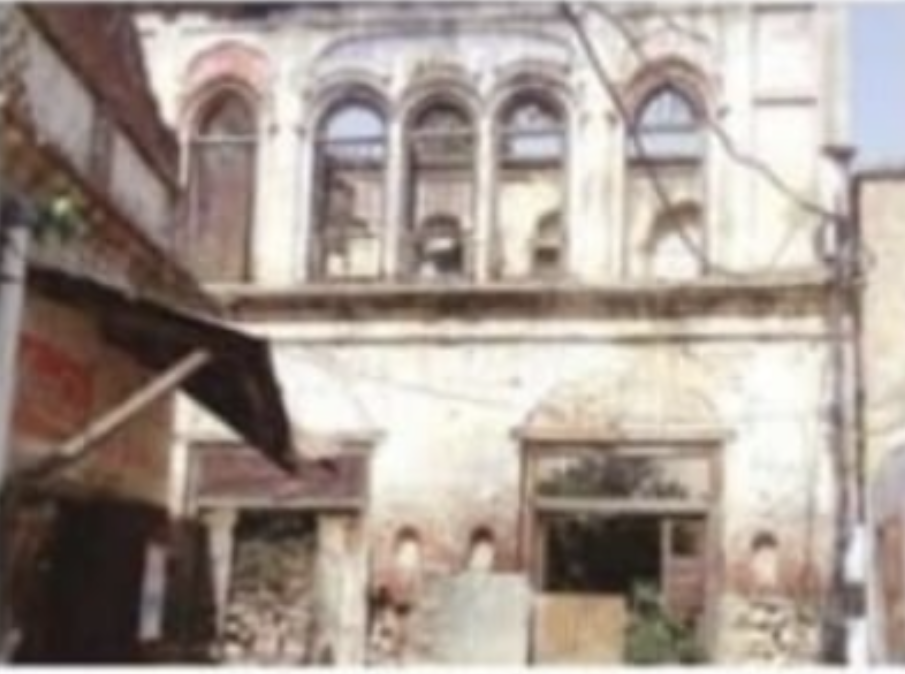
A 25-bed hospital exists with quarters, but lacks permanent doctors or staff—one visits 2-3 times weekly. A 66 KV electricity sub-station operates, yet the once thrice-daily train service is suspended; reconnecting to Nangal could aid Punjab-Himachal travel and pilgrims to Anandpur Sahib. Amenities like PNB ATM, post office, and park persist in aging structures; famous local sweets draw visitors, but the market road is potholed, and grand buildings lie as hazardous ruins.**(Ruined old house right** the mound where convicts were executed by pushing off during British rule.)Pre-Partition LayoutUndivided Punjab saw the village walled with gated streets like Khanna, Jain, and Sood—locked nightly for security. A mound outside served as an execution site for the condemned.**Names and Religious Sites**
Home to 1,500 people from 27 castes, it was once "Phhalewali" for dense fruit orchards and "City of Panj Peers" for shrines like Baba Augharnath, Baba Jiju Shah (namesake), Baba Manohar Dass, Baba Khaki Shah, and Jawala Puri, plus Jama Masjid, Jain temple, ancient Shiv temple, Dera Ratnapuri, and Mata Rani temple. Locals claim Raja Man Singh's hilltop palace ruins.
**Traders Across India**
As local trade waned, Khanna, Jain, Sood, and Brahmin families spread nationwide; no metro lacks a Jaijon trader. British tax records show three of five district payers from here, despite vast original Hoshiarpur area now partly in Himachal and Rupnagar.Government attention to restoration is urged to preserve this heritage town's identity.