Diabetes Symptoms On Skin :: If These Signs Appear On Your Skin.. It Means You Have Diabetes -- ?
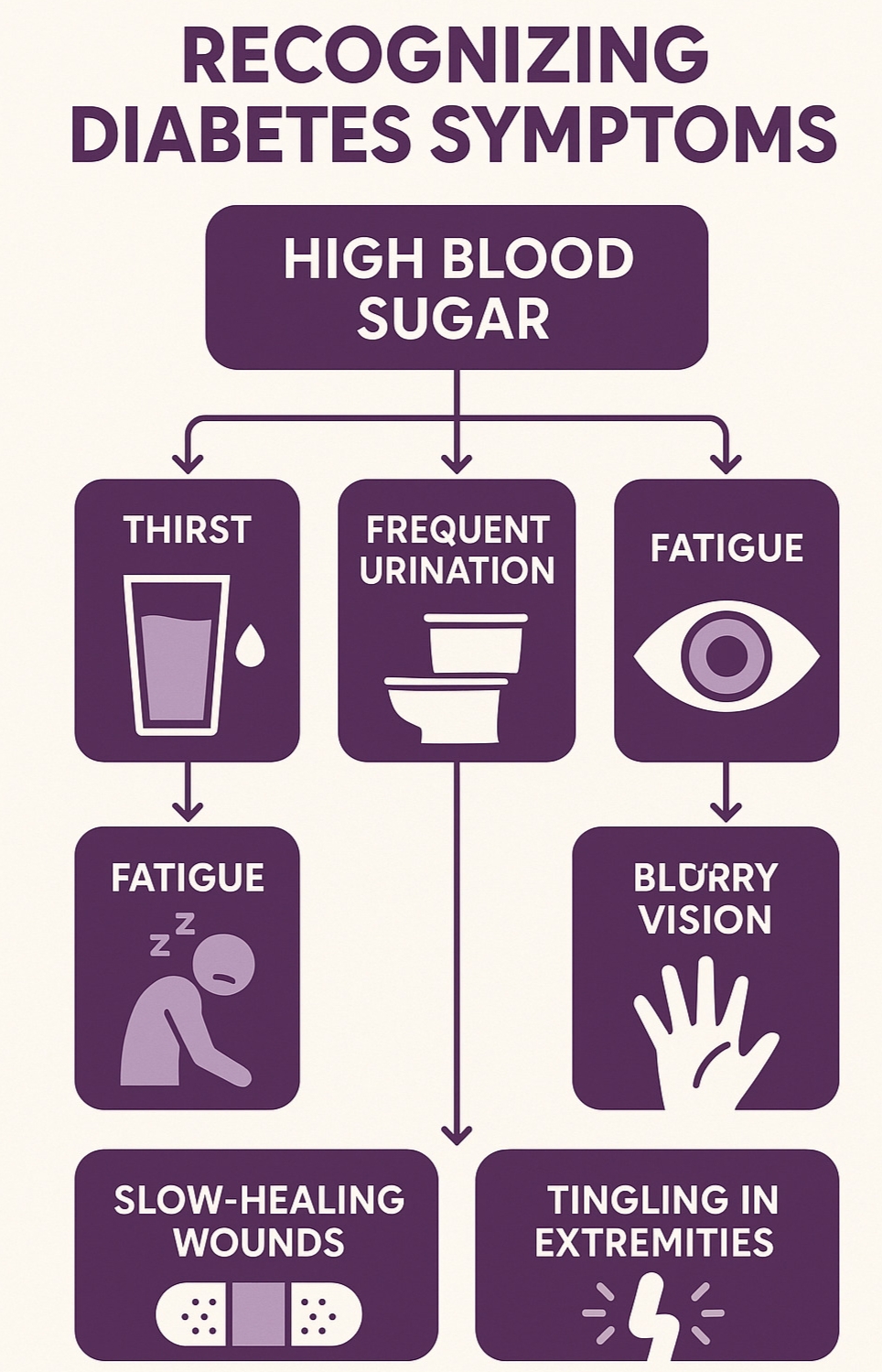
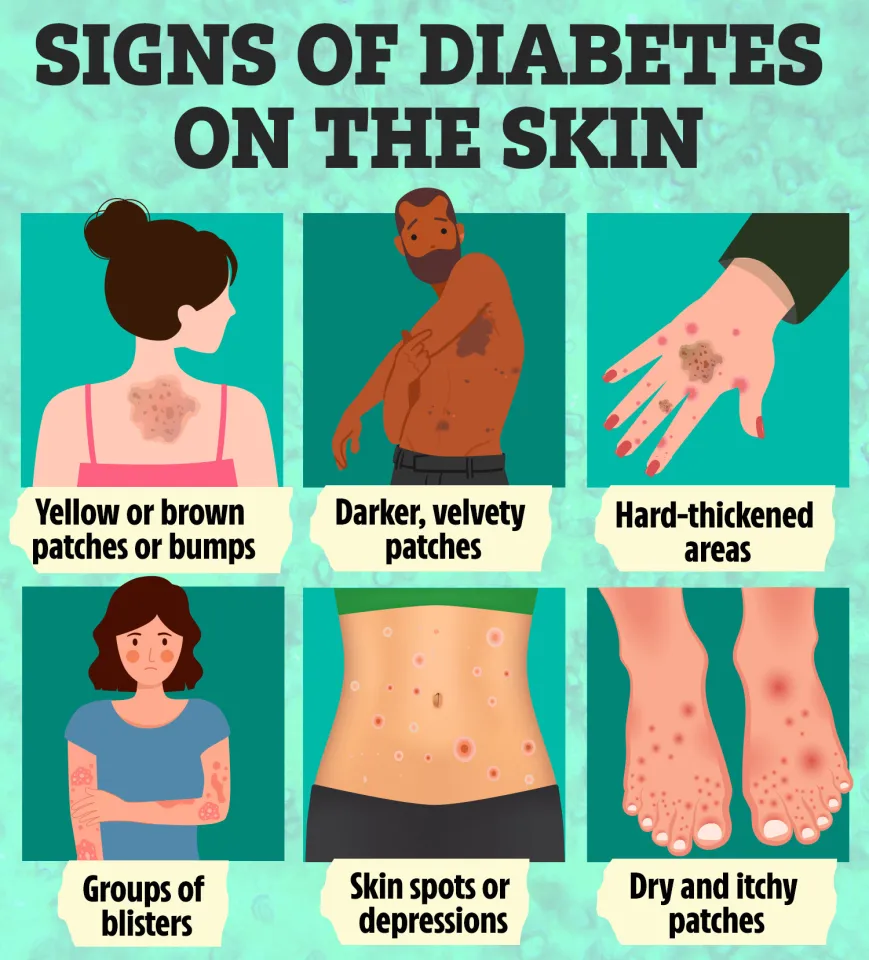
Visakhapatnam February 14, AIMA Media News: Diabetes Symptoms On Skin | The number of people suffering from diabetes is increasing day by day. An economic survey conducted in 2025-26 says that about 90 million people in our country are suffering from diabetes. Doctors say that our changed lifestyle and eating habits are the main reasons for this problem. Signs like excessive thirst, frequent urination, extreme fatigue, and vision problems indicate diabetes. Apart from these, our skin also shows signs of diabetes. But many people ignore these changes on the skin. But it is very important to pay attention to these symptoms and seek immediate medical help. Let us now learn about the skin symptoms that indicate the presence of diabetes.
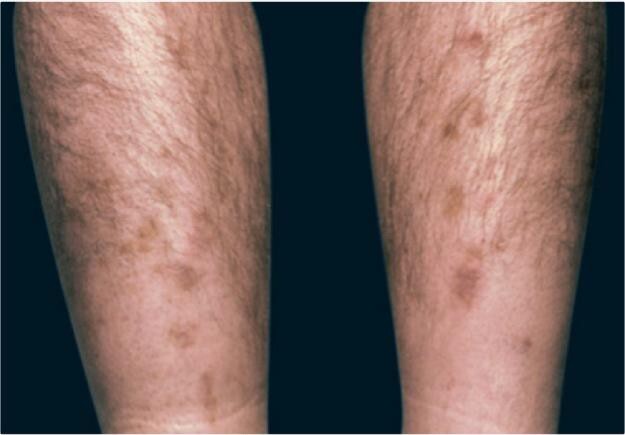
* Diabetic dermopathy:
When metabolic changes occur inside the body, when blood sugar levels are high, small, round, brown or red spots develop on the skin. These are mostly seen on the legs. There is no pain or discomfort due to these spots. These spots indicate changes in the blood vessels due to diabetes.
* Acanthosis nigricans:
Diabetes causes the skin on the neck and armpits to turn dark. The skin also becomes thicker. These signs indicate that the body is having difficulty producing insulin. These symptoms are clearly visible to us in those suffering from obesity and diabetes. It is better to consult a doctor as soon as you notice this discoloration of the skin.
* Wounds that do not heal or wounds that heal slowly:
When wounds are inflicted, the skin does not heal in time. The skin takes a long time to heal. Diabetes slows down the body's metabolism. This causes the skin to receive less blood flow, oxygen, and nutrients, which slows down wound healing. Diabetes also lowers the immune system. Weakened immune cells hinder the repair of skin tissue, which can also lead to skin wounds taking longer to heal.
* Fungal and bacterial infections:
High blood sugar levels lower the body's immune system. This makes it easier for microorganisms to invade the body. This can lead to problems like eczema, candidiasis, urinary tract infections, and skin tumors.
* Dry skin:
High blood sugar levels cause more water to be lost from the body. This leads to dehydration. This makes the skin dry. Itchiness also increases. Along with this, high blood sugar levels damage blood vessels and nerves. This reduces the production of sweat and oil that keep the skin moisturized. Due to the lack of proper blood circulation and nutrients to the skin, the skin becomes dry and itchy.
* Necrobiosis lipoidica:
Although this problem is very rare, shiny, brown or yellow spots with clear edges form on the soles of the feet. Also, the skin becomes thin where these spots occur. Veins are also visible from under the skin. Sometimes there is a possibility of ulcers. This problem is more likely to occur in women and people who have been suffering from diabetes for a long time.
* Vitiligo:
The skin loses its natural color and turns milky white. People with type 1 and type 2 diabetes are more likely to develop vitiligo. Type 1 diabetes is an autoimmune health condition. Therefore, the risk of developing vitiligo is higher. The body's immune system mistakenly attacks healthy skin cells that produce pigment. This causes the skin to turn white. People with type 2 diabetes are more likely to develop vitiligo due to chronic metabolic stress and a compromised immune system. It is important to seek medical attention as soon as you notice these skin symptoms. Early detection of diabetes allows for proper treatment. Neglecting diabetes can have a negative impact on your overall health, so it is important to consult a doctor as soon as you notice the symptoms.
----- M Venkata T Reddy, News Editor And Investigative Journalist.