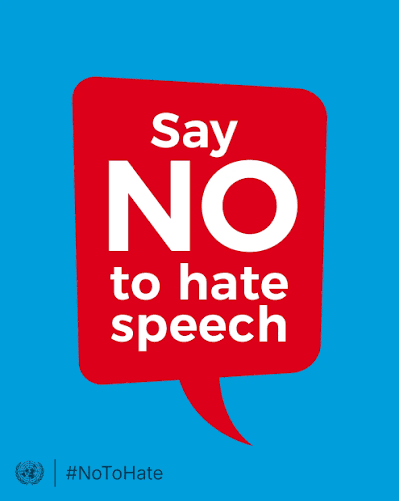
India Cannot Afford the Poison of Religious Hate Speech
India’s strength has always rested on its pluralism. From centuries of shared languages, food, festivals, and ideas, this country learned how difference can coexist without fear. Yet today, that foundation is being steadily corroded by the spread of religious hate speech—on political stages, television debates, social media feeds, and even everyday conversations. What was once fringe rhetoric is fast becoming normalized, and that should worry every citizen, regardless of faith.
Religious hate speech does more than offend sentiments; it actively fractures society. By portraying entire communities as enemies, threats, or outsiders, it reduces individuals to stereotypes and legitimizes discrimination. History—both Indian and global—shows that sustained dehumanization often precedes violence. When words repeatedly suggest that a group is less loyal, less human, or less deserving, the jump from speech to action becomes dangerously short.
The harm is not only social, but constitutional. India’s Constitution guarantees freedom of religion, equality before law, and fraternity among citizens. Hate speech undermines all three. It pressures the state to act selectively, erodes trust in institutions, and weakens the idea of equal citizenship. A democracy cannot function when a section of its people live in fear that their identity makes them suspect.
There is also a deep economic and developmental cost. Communal polarization diverts attention from real issues—jobs, education, healthcare, and inflation. Investors and institutions are wary of instability, and young people grow up learning suspicion instead of cooperation. A nation consumed by internal hostility cannot fully harness its human potential.
Media and digital platforms play a crucial role in this crisis. Sensationalism, algorithm-driven outrage, and unverified content amplify hateful messages far faster than facts or nuance. When hate speech is rewarded with views, votes, or viral fame, silence from regulators and platforms becomes complicity.
Countering this trend does not mean suppressing free speech. Criticism of religion, debate, and disagreement are essential in a democracy. But there is a clear moral and legal line between critique and incitement, between expression and dehumanization. That line must be enforced consistently—without political convenience or selective outrage.
The responsibility is shared. Political leaders must choose restraint over provocation. Media houses must prioritize ethics over ratings. Platforms must act decisively against repeat offenders. And citizens must reject hate, even when it flatters their own identity. Silence, too, is a choice—and often, it is the loudest endorsement.
India’s diversity is not a weakness to be managed; it is a strength to be protected. Religious hate speech threatens to turn that strength into a fault line. If India is to remain true to its constitutional promise, it must confront this poison now—firmly, fairly, and without fear.