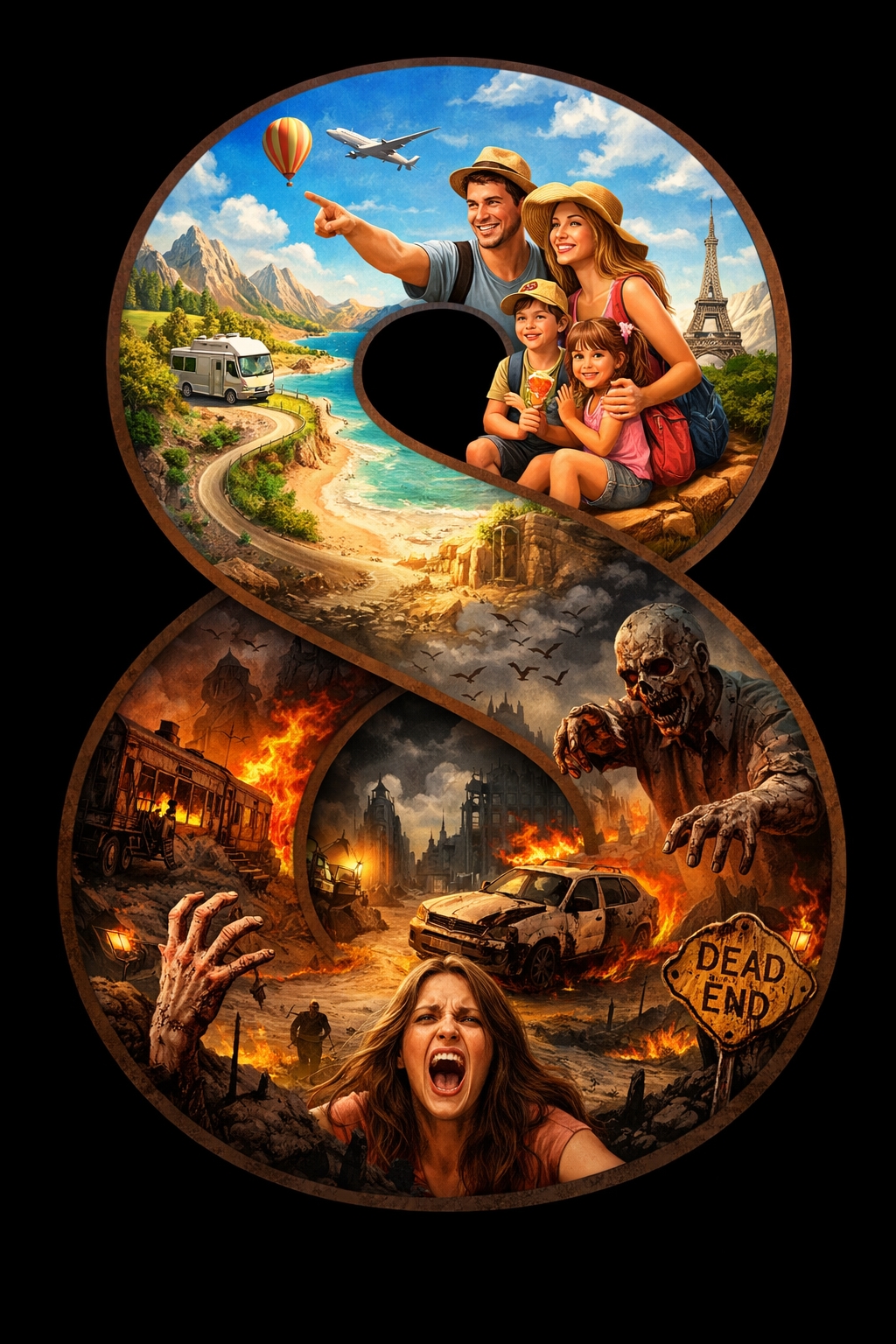
High Alert! License Is Given to Drive on Roads, Not to Kill Others
#ObeyTrafficRules
When a steering wheel becomes a weapon, society must ask uncomfortable questions.
Every driving license issued is supposed to be a certificate of responsibility. It is a legal permission to move people and goods safely on public roads—not a free pass to gamble with lives. Yet, day after day, headlines scream the opposite truth: road accidents are no longer “accidents”; they are predictable outcomes of negligence, poor enforcement, and a dangerous culture of bravado behind the wheel.
* The Bloody Scorecard We Pretend Not to See
Official road safety records consistently show one grim reality: thousands lose their lives every year, and many more are left permanently disabled. The majority of these crashes are not caused by bad roads alone or unavoidable circumstances, but by speeding, drunk driving, distracted driving, and reckless behaviour. Young drivers feature disproportionately in these statistics, especially in urban and semi-urban areas.
The pattern is painfully repetitive—over speeding at night, racing on public roads, stunts filmed for social media, driving under the influence, and complete disregard for helmets and seatbelts. These are not isolated incidents; they form a trend that points to systemic failure.
* Gen Z Driving: One Way Ticket to “Heaven”?
A disturbing mindset has crept into modern driving culture, particularly among Gen Z drivers: “Live fast, die young”—romanticized, filtered, and uploaded as reels. For many, the road is not a shared public space but a personal racetrack.
Speed is treated like a personality trait. Loud exhausts, sudden lane cuts, riding triple on bikes, hands off the steering wheel for a video—these are no longer shocking sights. The unspoken joke seems to be that there is “only one way, straight to heaven,” and the accelerator is the shortcut.
This isn’t about blaming an entire generation. It’s about calling out a culture that rewards recklessness with attention. When likes matter more than lives, the road becomes a stage—and everyone else becomes collateral damage.
Road accidents in India have risen significantly over the past 50 years, with total fatalities in 2021 being 13.2 times higher than in 1971, averaging a 6% annual compound growth rate. The
* Parents: Silent Enablers of Disaster
Behind many reckless young drivers stands an uncomfortable truth: parental carelessness. Expensive bikes handed to underage children. Cars given without proper training. No insistence on helmets, seatbelts, or discipline.
Too often, parents see traffic fines as minor inconveniences rather than warning signs. A challan is paid, a lecture is skipped, and the keys are returned. Responsibility is outsourced to fate—until tragedy strikes. Parenting does not end at buying a vehicle; it begins with teaching accountability, restraint, and respect for life.
* Encroached Roads, Shrinking Safety
As if reckless driving weren’t enough, our roads themselves are under siege. Footpaths vanish under shops. Roads narrow due to illegal parking, vendors, and unchecked construction. What was designed for smooth flow now forces vehicles into dangerous bottlenecks.
Pedestrians are pushed onto the road. Cyclists fight for inches of space. Emergency vehicles struggle to pass. In such chaos, even a small mistake becomes fatal. Urban planning failures and weak enforcement turn roads into death traps long before a speeding vehicle enters the picture.
*Driving Tests: A Dangerous Joke
Perhaps the most damning failure lies at the very start: The driving test. In many places, it is shockingly inadequate. Minimal evaluation. Predictable tracks. Zero assessment of real-world decision-making.
A person can legally receive a license without ever proving they can:
* Handle high-pressure traffic
* Respect pedestrians
* Follow lane discipline
* React calmly in emergencies
When licenses are issued like certificates of attendance rather than proof of competence, the system itself becomes an accomplice to road violence.
*Law Without Fear Is Just Ink on Paper
Traffic laws exist, but fear of enforcement does not. Penalties are either too low, inconsistently applied, or easily escaped. Influential offenders walk free. Repeat violators keep driving. Cameras are avoided, fines are negotiated, and accountability evaporates.
Without strict, impartial enforcement, rules lose meaning. Roads then reward the most aggressive driver, not the most responsible one. Despite limited manpower and mounting challenges, the traffic department remains the first line of defence on our roads—working under pressure to enforce laws, save lives, and bring order to chaos that society itself often creates. But relying on CCTV cameras completely doesn’t always help find and reduce accidents. More of traffic officers should be engaged in the traffic chaos to stop accidents and safeguard public.
* A Collective Failure—And a Collective Responsibility
Road deaths are not caused by one factor alone. They are the result of:
* Reckless driving culture
* Parental negligence
* Weak licensing systems
* Encroached infrastructure
* Poor law enforcement
Fixing this requires more than awareness campaigns after tragedies. It demands reform, accountability, and social shame for reckless behaviour, not applause.
A driving license is not a trophy. It is not a right to dominate the road. It is a promise—to protect life, not end it.
Until we treat reckless driving as a serious social crime rather than youthful “mistakes,” until parents stop gifting speed without sense, and until authorities stop issuing licenses without rigor, the blood on our roads will not dry.
The road is shared. Life is fragile.
And no one—no matter their age, car, or follower count—has the right to turn a public road into a killing ground.
The better solution is, “Stricter, skill-based licensing, tech-driven enforcement, parental accountability, and reclaimed roads—combined with public support for the traffic department—are the only way to turn driving licenses back into instruments of safety, not death.”
#HappyJourney #HorribleJourney