ICSSR Awards Major Research Grant to CUO Faculty on Family Caregiving for Elderly across Odisha.
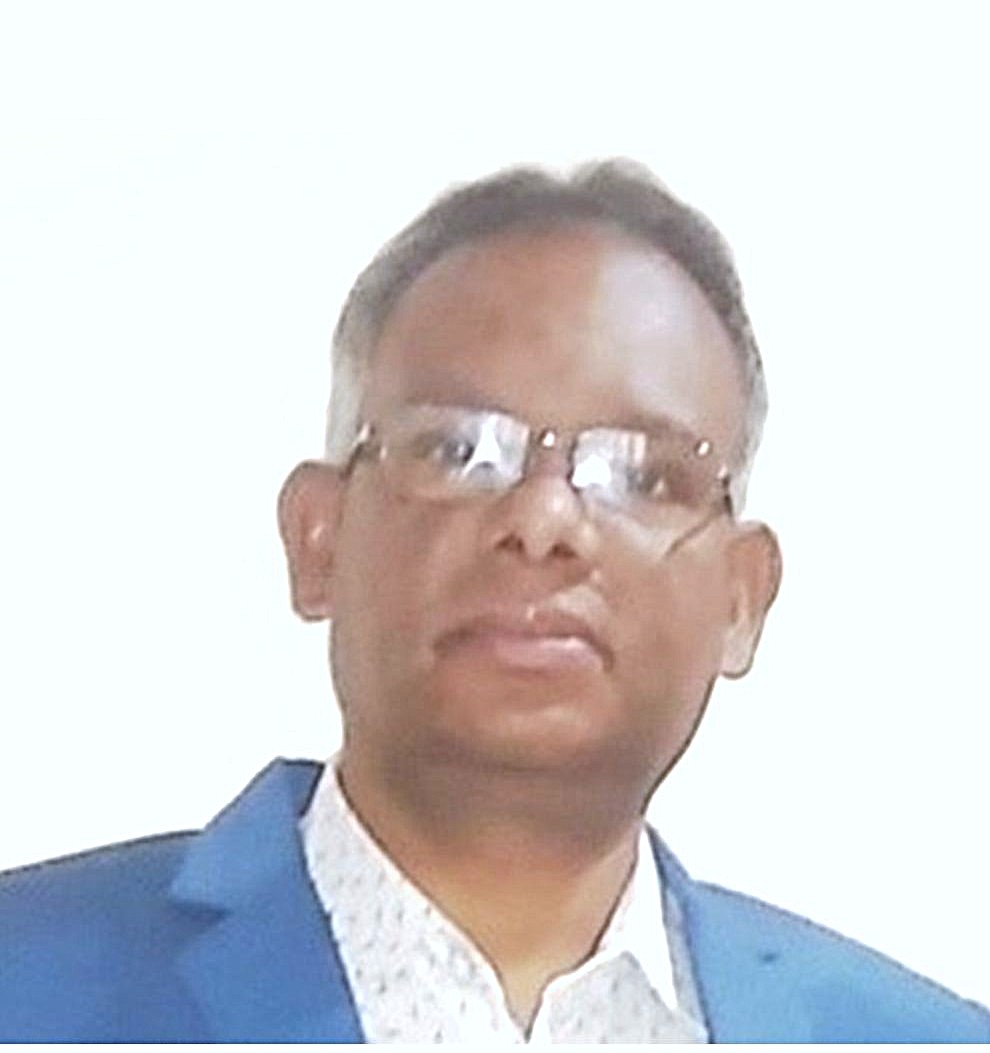
Dr. B. K. Srinivas, Senior Assistant Professor and Head (In-Charge), Department of Anthropology, Central University of Odisha has been awarded an ICSSR Multidisciplinary Major Research Project in December 2025. The project was selected under the national call for research proposals on “Family and Family Systems in India (2025–26)”, for which he applied in September 2025. The Vice-Chancellor (I/c.) of the University, Prof. N. C. Panda, extended his congratulations and best wishes for the successful execution of the project.
Titled “Family Caregiving and Support Systems for the Elderly in Odisha: An Intersectional Study,” the project falls under the theme “Family, Society, and Institutions,” with a special focus on the geriatric population and family-based elder care support systems. The two-year project will be led by Dr. Srinivas as Project Director, along with Co-Project Directors Dr. Meera Swain, Associate Professor of Anthropology, Gangadhar Meher University, Sambalpur; Dr. Aliva Mohanty, Professor, P.G. Department of Gender Studies, Rama Devi Women’s University, Bhubaneswar; and Dr. Jharana Swain, Principal Counsellor, Family Court, Bhubaneswar.
The study aims to examine the intersectional dynamics of family caregiving for the elderly in Odisha, with particular attention to how socioeconomic conditions, cultural expectations, and institutional frameworks shape caregiving experiences. It will explore three key cross-cutting dimensions—caste and class, migration, and accessibility and adaptability to technology.
Distinct from conventional welfare- or demography-based approaches, the research adopts a multilayered perspective that goes beyond gender alone, offering a holistic understanding of family caregiving practices in Odisha. Fieldwork will be conducted across three culturally diverse regions of the state—Western, Eastern, and Southern Odisha—to capture regional variations shaped by livelihoods and social structures.
The project also seeks to bridge the gap between policy strategies and lived realities. While several programmes encourage active participation of senior citizens, the role of family caregivers—often overlooked—remains inadequately addressed. By identifying institutional gaps, the study will contribute to more inclusive caregiving frameworks and recommend socio-culturally and gender-sensitive policy interventions.
Highlighting the growing impact of migration on elder care, the study notes that caregiving responsibilities continue to fall disproportionately on women due to entrenched gender norms. Migration reshapes family care arrangements, often creating emotional, financial, and psychological strains, which this research aims to document and address through policy-relevant insights.