Masked Cham Dance Begins in Bodh Gaya to Remove Obstacles
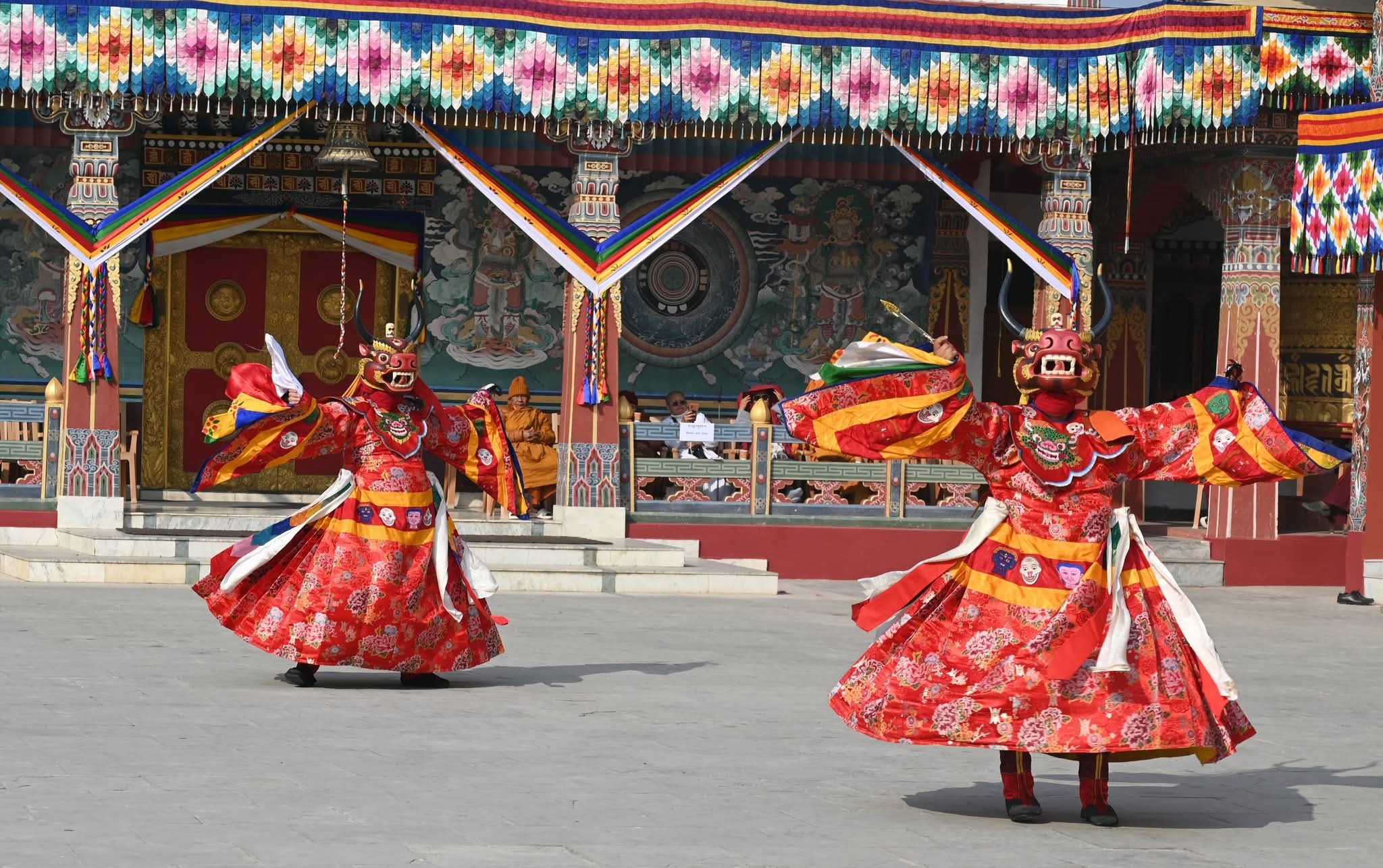
Bodh Gaya, the sacred land of Lord Buddha’s enlightenment, witnessed the commencement of a three-day traditional Masked Cham Dance festival at the Druk Thubten Chholing Shangdung Buddhist Monastery on Sunday. The spiritually significant event began amid deep devotion and cultural fervor, drawing monks, devotees, and tourists from various places.
The religious proceedings started early in the morning with a special Lama Gongdu ritual held from 2:30 am to 7:30 am. During this ritual, monks performed elaborate prayers accompanied by continuous chanting of mantras and the resonant sounds of traditional Buddhist musical instruments, filling the monastery with a serene and sacred atmosphere.
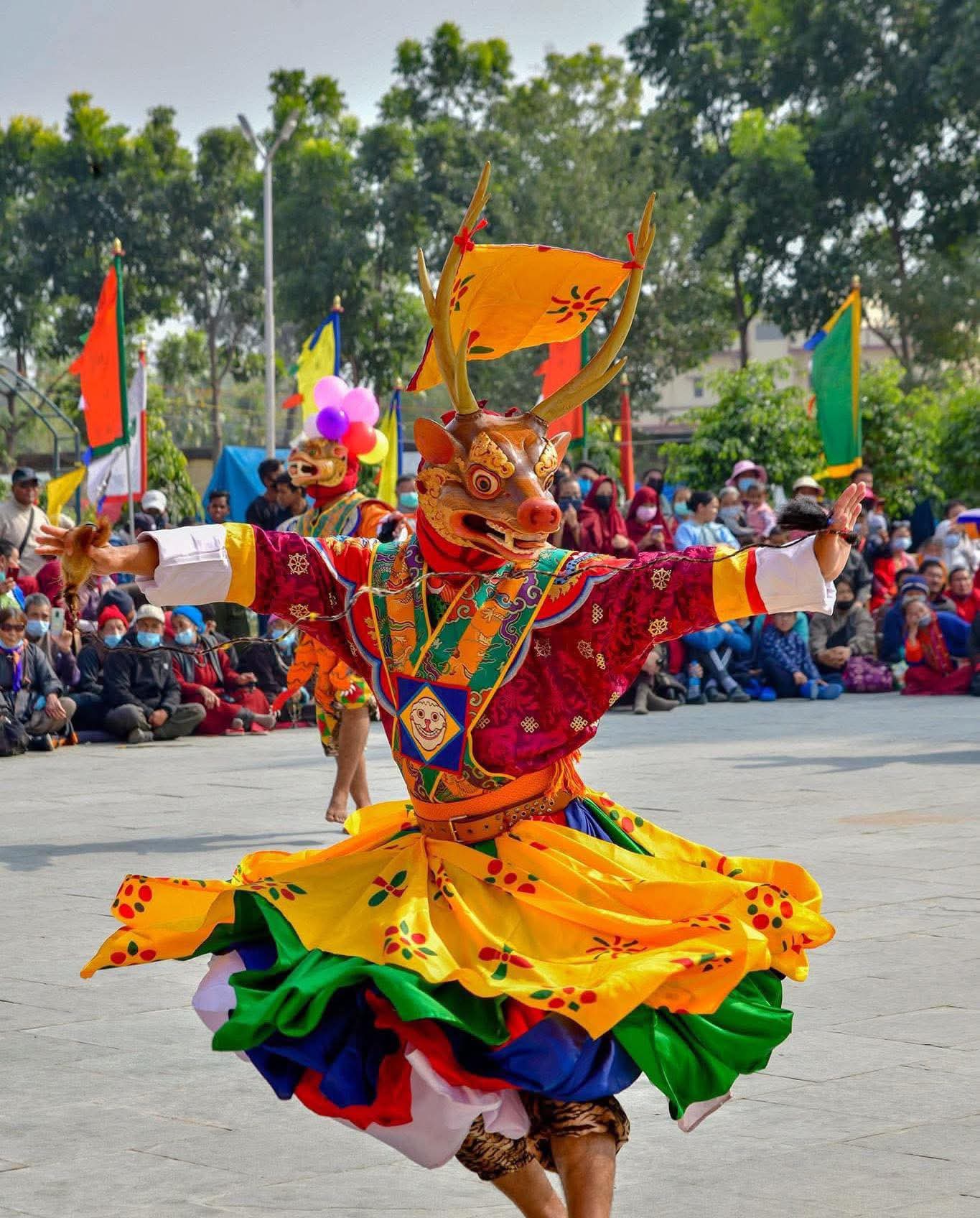
The formal inauguration of the Masked Cham Dance took place at 9:00 am, where a large gathering of devotees and visitors assembled to witness the rare and symbolic performances. According to Bhutanese cultural beliefs, merely witnessing the Masked Dance helps cleanse one of sins and paves the path toward spiritual liberation or nirvana.
Monastery Secretary Lama Sonam stated that apart from Bhutan, Bodh Gaya is the only place where formal training and performances of this distinctive dance tradition are conducted. Over the three days, several ancient tantric dance forms, including the Yab-Yum and other ritualistic performances, will be presented. The Cham Dance tradition is prevalent in regions such as Tibet, Bhutan, Ladakh, Mongolia, and a few other countries.
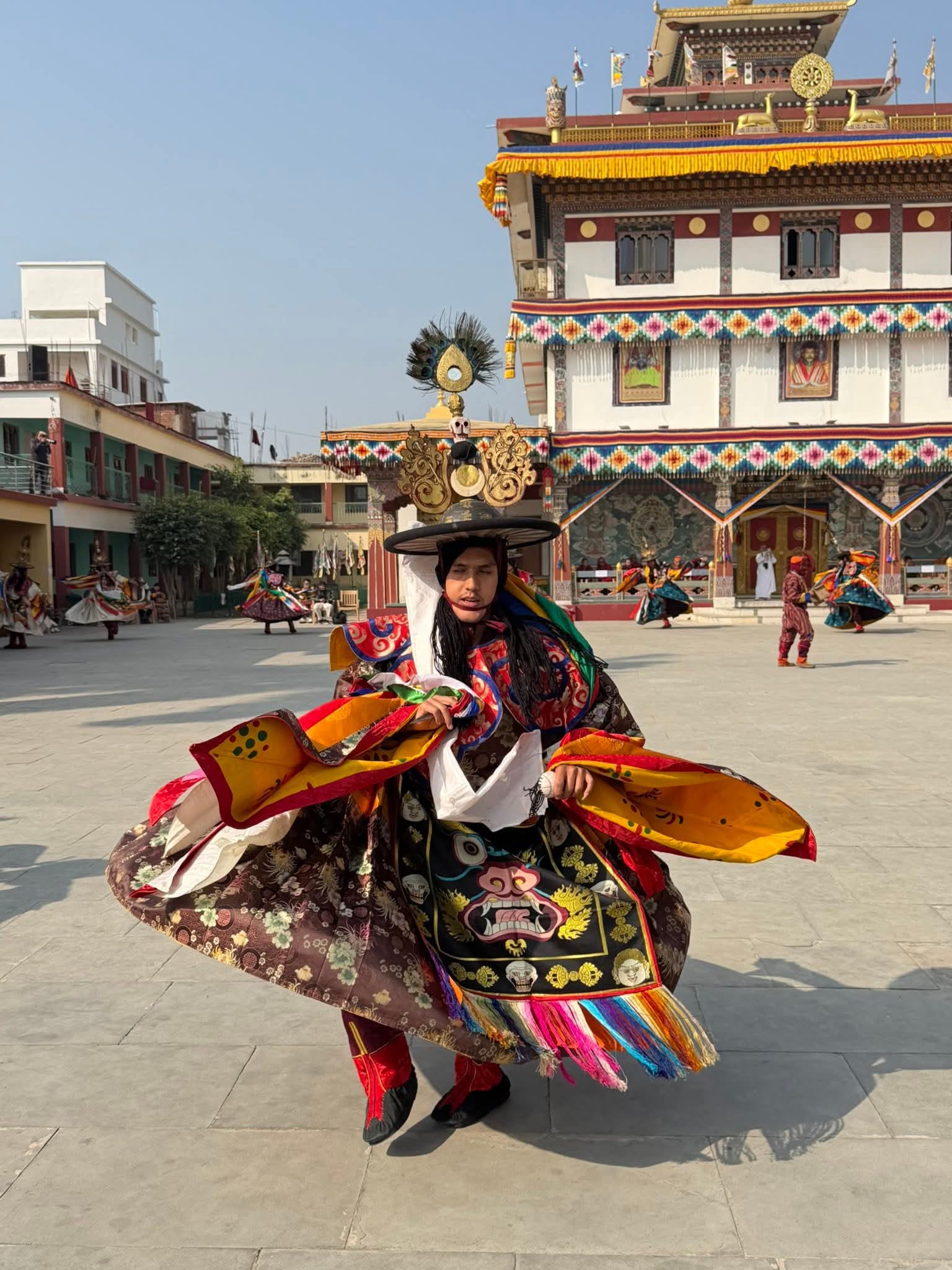
On the first day, the dances were performed with the specific intention of eliminating obstacles and negative forces. The Cham Dance is an important tantric ritual within the Mahayana Buddhist tradition, where monks wear symbolic masks and elaborate costumes representing deities, Dharma protectors, and Dakinis. The performances began with the Black Hat Dance, symbolizing the removal of hindrances and the triumph of wisdom over evil.
The festival not only reflects deep spiritual significance but also reinforces Bodh Gaya’s cultural and religious identity on the global Buddhist map.