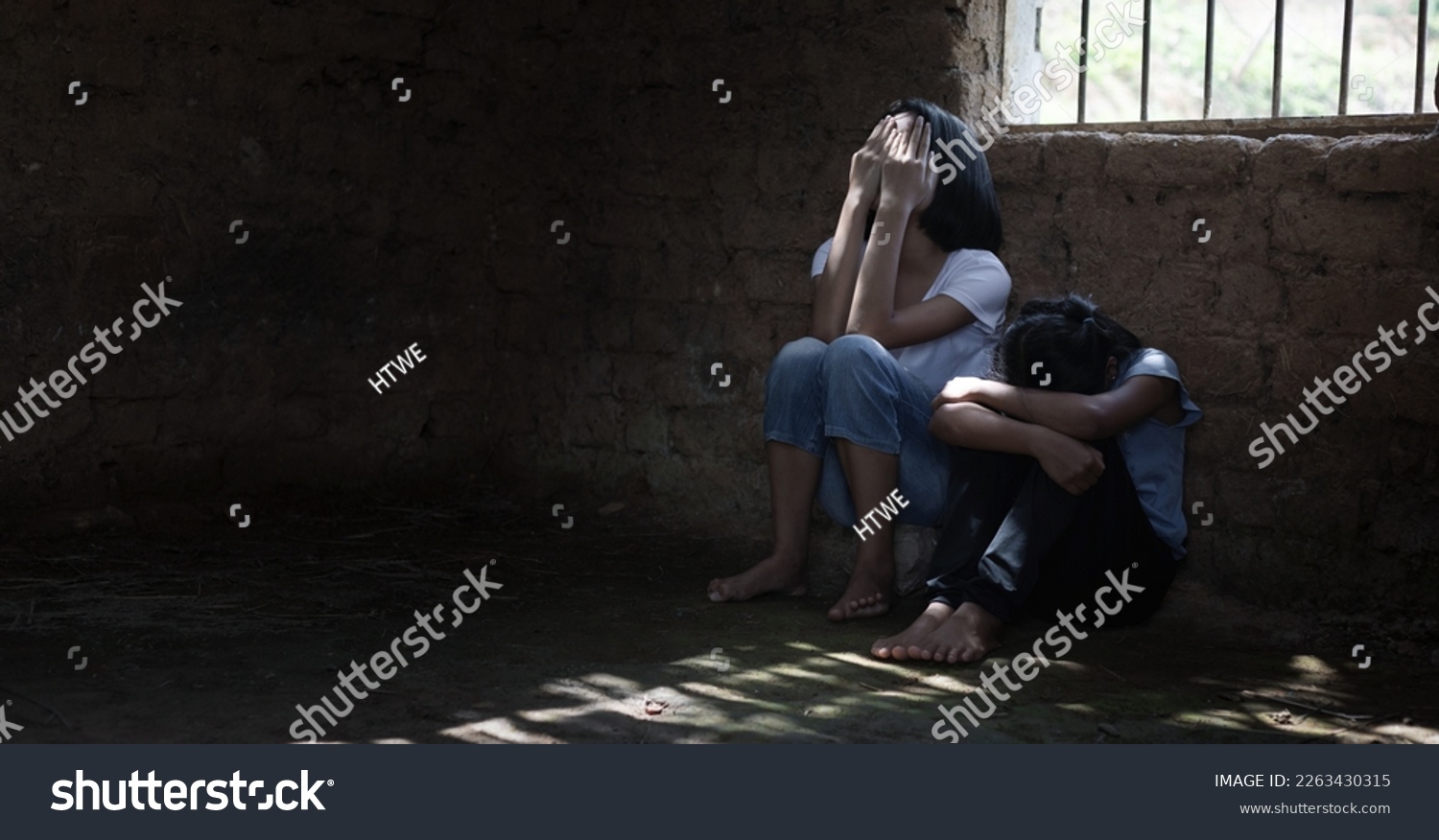
Trafficking In Human Persons Is A Crime Against Humanity!
National Human Trafficking Awareness Day and its importance in India:-
National Human Trafficking Awareness Day is observed on January 11th every year to raise awareness about the crime of human trafficking, promote support for survivors, and strengthen efforts to end this serious violation of human rights. Although this observance began in the United States, awareness about human trafficking is globally significant, including in India, where trafficking remains a critical issue.
Definition of Human Trafficking:-
Human trafficking involves the illegal trade of humans for purposes like:
- Forced labor.
- Sexual exploitation.
- Child labor.
- Organ trade.
- Domestic servitude.
- Illegal adoption.
Victims are often lured by false promises of jobs, marriage, or education and then trapped into exploitation. Traffickers target the most vulnerable—especially women, children, migrants, and the poor. United Nations view on that subject, human trafficking affects every country, either as a source, transit, or destination. It is one of the fastest-growing criminal industries in the world.
National Human Trafficking Awareness Day aims to: (Laws Against Human Trafficking in India):
India has several laws to combat trafficking:
- Indian Penal Code (Sections 370 & 370A): Defines and punishes trafficking.
- The Immoral Traffic (Prevention) Act, 1956
- Bonded Labour System (Abolition) Act, 1976
- Child Labour (Prohibition and Regulation) Act, 1986
- Protection of Children from Sexual Offences (POCSO) Act, 2012
- Juvenile Justice Act, 2015
The government also launched schemes like:
- Ujjawala Scheme: For rescue, rehabilitation, and reintegration of trafficked women and children.
- Operation Smile and Muskaan: Focused on tracing missing children.
(Role of Police, NGOs, and Community):
- Police and special task forces rescue victims and arrest traffickers.
- NGOs like Prajjwala, Bachpan Bachao Andolan, Guria, and International Justice Mission work on rescue, rehabilitation, and awareness.
- Community vigilance, especially in rural areas, is key to preventing trafficking.
- Helplines like Childline 1098 play a vital role in emergencies.
(Awareness and Education):
Awareness is the first step to prevention, Activities on this day include:
- Workshops and seminars in schools and colleges
- Awareness rallies and street plays.
- Social media campaigns.- Educate people about the signs of trafficking.
- Empower communities to protect vulnerable populations.
- Encourage reporting and legal action.
- Support survivors in rebuilding their lives.
- Push for stronger laws and global cooperation.
In India, where trafficking is deeply connected to poverty, lack of education, gender inequality, and weak law enforcement, such awareness is crucial.
Human Trafficking in India, The Reality & practicality:-
India is both a source and destination for human trafficking. Victims are trafficked within the country and across borders (to and from Nepal, Bangladesh, Myanmar).
(Common functions of trafficking in India):
- Child labor in factories, agriculture, and construction
- Sex trafficking of women and children
- Bonded labor and forced marriage.
- Domestic servitude.
- Begging rackets using children and disabled persons.
Many victims are from tribal areas, poor rural families, or are missing children. Often, traffickers operate as part of organized crime networks.
(Major Reasons of Human Trafficking):
1. Poverty and Unemployment.
2. Lack of Education.
3. Gender Discrimination.
4. Migration and Natural Disasters.
5. Corruption and Weak Law Enforcement.
6. Demand for Cheap Labor and Commercial Sex.- Posters, articles, and survivor stories.
- Collaboration with media, influencers, and community leaders
Education helps people—especially youth and women—understand their rights and stay alert against trafficking traps. A helping hand:
1.The signs of trafficking (e.g., restricted movement, fear, lack of documents).
2. Report suspicious activities to authorities or helplines.
3. Support NGOs fighting trafficking through donations or volunteering.
4. Spread awareness through social media or community outreach.
5. Educate children and women about safe migration and online safety.
(The Path For Future):
- Stronger enforcement of laws is essential.
- Fast-track courts for trafficking cases must be expanded.
- Rehabilitation and livelihood support for survivors is key.
- International cooperation and border vigilance need strengthening.
- Awareness must be made part of school curriculum.
National Human Trafficking Awareness Day reminds us that every human being has the right to live freely and with dignity. Human trafficking is a crime that destroys lives silently. India, with its vast population and socio-economic diversity, must tackle this problem with unity, awareness, and strong legal action.
Change begins with awareness—and awareness begins with us.