CNA Explains: What causes GIRO errors and what you can do if it happens
Source by : CNA Digital NEWS
23 Mar 2026 , 06:00 AM
CNA Explains: What causes GIRO errors and what you can do if it happens
The Consumers Association of Singapore received 10 complaints relating to unauthorised GIRO deductions from Jan 1 last year to Mar 16 this year
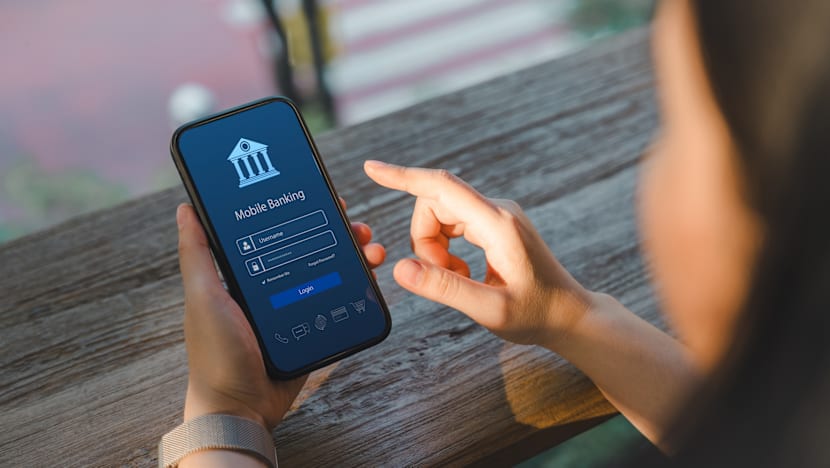
Introduced in 1984, GIRO is a three-way arrangement between consumers, banks and billing organisations. (File photo: iStock)
CNA Explains: What causes GIRO errors and what you can do if it happens
CNA Explains: What causes GIRO errors and what you can do if it happens
The Consumers Association of Singapore received 10 complaints relating to unauthorised GIRO deductions from Jan 1 last year to Mar 16 this year.
CNA Explains: What causes GIRO errors and what you can do if it happens
Introduced in 1984, GIRO is a three-way arrangement between consumers, banks and billing organisations. (File photo: iStock)
Set CNA as your preferred source on Google
Read a summary of this article on FAST.
FAST
SINGAPORE: To pay for their children’s student care, some parents set up GIRO arrangements with Little Professors Learning Centre, expecting routine monthly deductions of fees.
Instead, they got a rude shock. Some were charged the wrong amount in certain months – and charged twice in others.
One mother, who was supposed to pay S$30 (US$24) a month, was charged S$196.80 on three occasions and S$68 once.
The Consumers Association of Singapore (CASE) received 10 complaints regarding unauthorised GIRO deductions between Jan 1 last year and Mar 16 this year.
CNA looks at how GIRO works, and whether the decades-old system has any alternatives.
What is GIRO and how does it work?
Introduced in 1984, GIRO is a three-way arrangement between consumers, banks and billing organisations – which can include government agencies, telcos, utility companies and other private firms.
The Association of Banks in Singapore issues guidelines on operating a GIRO.
The process begins when a customer applies to set up the GIRO, giving a billing organisation permission to debit their bank account, said Associate Professor Tan Chong Hui of the Singapore University of Social Sciences’ finance programme.
The customer’s bank will then verify and activate the arrangement.
While the arrangement is active, the billing organisation can submit debit requests through the GIRO clearing system, and the bank will deduct funds accordingly without needing approval from the customer.
The consumer only needs to ensure sufficient funds are available when the bill is due.
How common are GIRO errors? How do they happen?
GIRO deduction errors are uncommon, said Mrs Ong-Ang Ai Boon, director of the Association of Banks in Singapore.
Professor Sumit Agarwal of the National University of Singapore’s business school also said GIRO errors are rare.
“There are very small issues that happen, very few and far between, but systematic problems are very rare,” he said.
When asked whether errors are more likely caused by humans or systems, he said both are possible – although pinning down the cause requires knowing the specifics.
“This could be some innocuous error, but it could also be malpractice. We just don’t know,” he said.
Assoc Prof Tan said incorrect or duplicate charges typically originate from the billing organisation. The bank usually acts on the instructions given by the billing organisation.
If the billing organisation’s system generates two debit requests for the same bill, or an incorrect amount was included in the instructions to the bank, the bank would simply make the deduction as requested, he said.
What safeguards are there?
Banks validate the details in each GIRO collection instruction, including the billing organisation's crediting account and the customer's debiting account, said Mrs Ong-Ang.
These details must match the consumer's direct debit authorisation records, she said.
Customers can monitor deductions in their bank statements, and can set a payment limit for each GIRO arrangement, said Assoc Prof Tan.
However, the timing and frequency of deductions are generally determined by the billing organisation, since the payments are initiated through the billing organisation’s request.
Some banks offer GIRO-on-demand, where each deduction must be authorised individually before it is processed by the bank.
"This is a fair safeguard but consumers are required to authorise the payments on time, or risk a late fee," said CASE.
What can you do if you are charged the wrong amount?
The first step would be to contact the billing organisation, said Assoc Prof Tan.
“As it is the party that initiates the debit request, it would typically investigate the issue and arrange a correction, such as a refund or adjustment to a future bill,” he said.
If the matter is not resolved, customers can notify their bank, which can check the debit instruction and confirm whether it was an authorised deduction.
Customers can also escalate the matter to the Financial Industry Disputes Resolution Centre (FIDReC) for independent mediation and adjudication if they cannot be resolved directly with the financial institution, said Assoc Prof Tan.
Suspected regulatory breaches or misconduct can be reported to the Monetary Authority of Singapore (MAS), he added.
Have there been previous cases of GIRO errors?
In 2018, money was wrongly deducted from the accounts of more than 20,000 people who had insurance plans with Prudential.
Customers reported that the money taken was “100 times” their usual monthly premium, running up to “tens of thousands of dollars in some cases”.
Prudential attributed the error to "the introduction of a file format change" and said refunds were made within 24 hours.
No complaints have been made over GIRO double payments or multiple deductions in the past three years, said Mr Kenneth Har of the FIDReC in response to CNA’s queries.
However, there have been occasional disputes involving GIRO set-up issues, typically because of miscommunication between advisors and customers, he said.
What alternatives are available?
Scheduled bank transfers are a possible alternative to GIRO, but they do not serve the exact same purpose, Prof Sumit said. They work well when the monthly amount is fixed, but not when bills vary from month to month.
“Think about your electric bill, it can vary every month, so you want to do GIRO. But if you're paying the same tuition (fee) for the kids … then you don't need GIRO,” he said.
One parent whose child attended a Little Professors Learning Centre said the incident shook his confidence in GIRO payments.
Prof Sumit acknowledged that the convenience of GIRO comes with trade-offs – including some uncertainty and the possibility of fraud. Generally, however, GIRO is considered safe and secure.
Assoc Prof Tan said that GIRO is a low-cost mechanism and that many organisations have built their systems around it.
PayNow may be seen as an alternative, but the instant transfer has to be initiated by the payer, which is different from the automatic deductions offered by GIRO.
Other countries have similar direct debit arrangements and also protection for consumers.
For example, in the UK, the customer is entitled to a full and immediate refund if an error is made in the direct debit payment, said Assoc Prof Tan.
Devashish Govind Tokekar
VANDE Bharat live tv news Nagpur
Editor/Reporter/Journalist
RNI:- MPBIL/25/A1465
Indian Council of press,Nagpur
Journalist Cell
All India Media Association
Nagpur District President
Delhi Crime Press
RNI NO : DELHIN/2005/15378
AD.Associate /Reporter
Contact no.
9422428110/9146095536
Head office:- plot no 18/19, flat no. 201,Harmony emporise, Payal -pallavi society new Manish Nagar somalwada nagpur - 440015