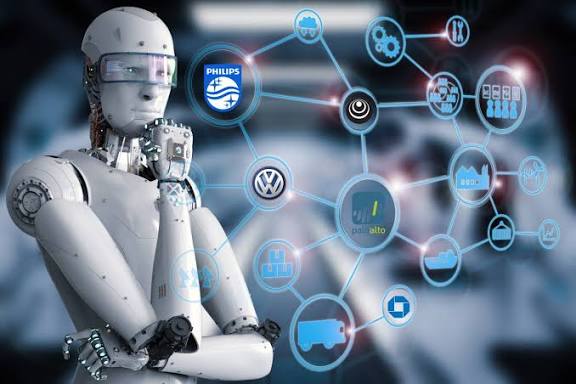
AI Impact on IT Jobs: Automation Fear vs New Opportunities in the Tech Workforce.
Report by Dr. Mohammad Siddiq Ansari.
Hyderabad, 2026:
The rapid growth of Artificial Intelligence (AI) is reshaping the global IT industry, raising concerns among employees about job security while simultaneously creating new career opportunities. Experts say AI is not completely “eating” IT jobs, but transforming the nature of work, skills, and hiring patterns across the technology sector.
Rising AI Adoption in IT Industry:
According to recent global industry reports, over 70% of ITcompanies have already integrated AI tools into their operations for coding, testing, data analysis, customer support, and cybersecurity. Technologies such as Generative AI, Machine Learning, and Automation platforms are significantly reducing manual workloads and increasing productivity.
Example:- Companies like Google, Microsoft, Infosys, TCS, and Accenture are actively investing billions of dollars in AI development, making it a core part of their digital strategy.
Jobs at Risk: Automation Replacing Repetitive Roles.
AI is primarily impacting entry level and repetitive IT roles. Experts highlight that the following job categories are most vulnerable:
* Data entry and basic data processing jobs
* Manual software testing roles
* Technical support (Level 1 helpdesk)
* Routine coding and debugging tasks
* Basic IT operations and maintenance
A 2025 workforce survey indicated that around 25–30% of repetitive IT tasks can now be automated using AI tools, reducing the need for large support teams.
Layoffs and Workforce Restructuring:
Over the past two years, several global tech companies announced layoffs while simultaneously investing in AI technologies. Analysts note that these layoffs are not solely due to AI, but AI driven automation has accelerated workforce restructuring.
In India’s IT sector, industry estimates suggest that 10–15% of low skill IT roles may decline by 2030 due to automation and AI-based systems.
AI Creating New Job Opportunities:
Despite job fears, AI is also generating new employment avenues. Emerging high-demand roles include:
- AI Engineers
- Machine Learning Specialists
- Data Scientists
- AI Ethics Experts
- Prompt Engineers
- Cybersecurity Analysts
- AI Product Managers
The World Economic Forum predicts that AI may create 97 million new jobs globally by 2030, even as it replaces around 85 million traditional roles.
Skill Shift: The New Survival Strategy
IT employees are now required to upgrade their skills to stay relevant. Key future proof skills include:
- Artificial Intelligence & Machine Learning
- Cloud Computing
- Data Analytics
- Cybersecurity
- Automation Tools
- Generative AI Platforms
Experts emphasize that professionals who adapt to AI tools will remain in high demand, while those relying only on outdated technical skills may face job risks.
Impact on Indian IT Workforce
India, being one of the largest IT hubs, is witnessing a major shift. Companies are focusing more on AI skilled employees rather than mass hiring of fresh graduates. Reports indicate that hiring for traditional coding roles has slowed, while AI and data related hiring has increased by nearly 30–40% in recent years.
However, industry leaders clarify that AI will act more as a “co-worker” than a “job destroyer,” assisting developers rather than fully replacing them.
Expert Opinion:
Technology experts state that AI will not eliminate IT jobs completely but will redefine them.
“AI is not replacing humans; it is replacing repetitive work. Skilled professionals who learn AI will have more opportunities than ever before,” said a senior IT analyst.
Conclusion:
The impact of AI on IT jobs is both disruptive and transformative. While automation may reduce certain low skill roles, it is simultaneously opening doors for advanced, high paying careers. The future of IT employment will depend largely on adaptability, reskilling, and continuous learning rather than fear of job loss.As AI continues to evolve, the IT workforce is expected to shift from routine coding and support tasks toward innovation, strategic development, and AI driven solutions, marking a new era in the global technology landscape.