Everything is Theoretically Impossible Until It Is Done! Use Science Right Way!
CCTV Cameras: Benefits and Problems in Usage:-
Closed-Circuit Television (CCTV) cameras have become an essential part of modern security systems. From homes and shops to public places and government buildings, CCTV surveillance helps monitor activities, prevent crime, and ensure safety. However, while CCTV systems offer numerous advantages, they also come with certain limitations and concerns.
Benefits of CCTV Cameras:-
1. (Crime Prevention and Deterrence):
One of the biggest benefits of CCTV is its ability to deter criminal activity. The presence of cameras can discourage theft, vandalism, or illegal behavior. Criminals are less likely to target areas under surveillance.
2. (Evidence Collection):
In case of crimes or disputes, CCTV footage serves as important evidence. It helps in identifying suspects, understanding sequences of events, and supporting police investigations or legal proceedings.
3. Public Safety):
In public places like roads, railway stations, banks, and markets, CCTV enhances public safety. Traffic violations, suspicious movements, or accidents can be recorded and acted upon quickly.
4. (Workplace Monitoring):While cameras help monitor, they can’t prevent incidents in real-time. Relying only on CCTV without physical security measures may create a false sense of safety.
5. (Storage and Data Management):
Continuous recording requires a large amount of storage. Managing and archiving data properly is essential, or important footage may get lost or overwritten.
6. (Technical Issues):
Cameras may stop working due to power cuts, weather conditions, or technical failures. Without regular checks, users might not even realize the system is down.
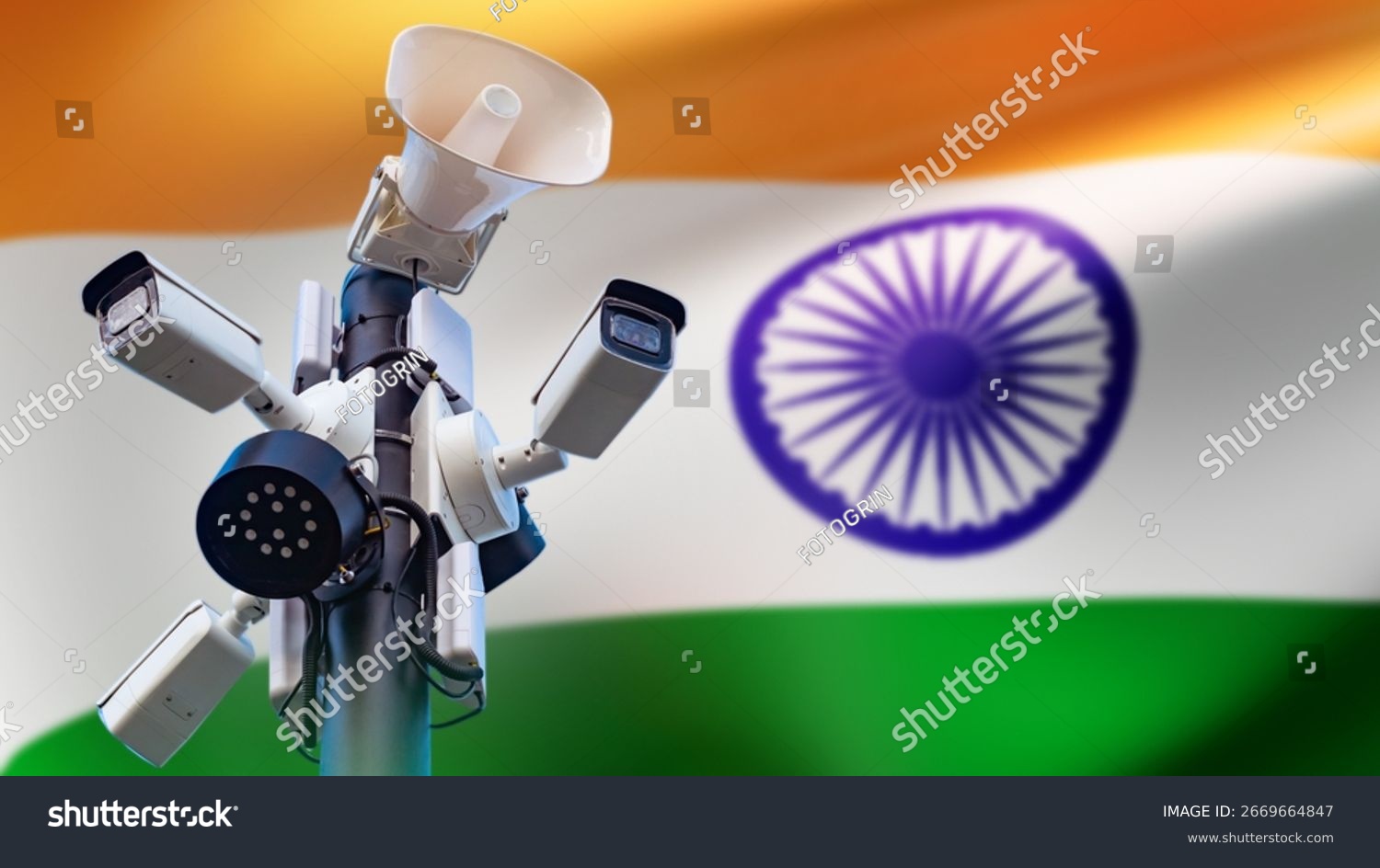
CCTV cameras offer many valuable benefits in terms of safety, surveillance, and control, making them an important tool in modern life. However, to be truly effective, their use must be balanced with privacy rights, ethical practices, and proper technical support. Responsible installation and regular monitoring ensure that CCTV systems serve as reliable and secure tools for safety.The use of CCTV cameras in India has rapidly expanded in recent years across cities, villages, institutions, and homes. Here's a quick India-specific note you can add to the previous content:
In India, CCTV surveillance is increasingly used by governments, police, residential societies, shops, schools, hospitals, and even in rural panchayats. Major cities like Delhi, Mumbai, Hyderabad, Kolkata, and Bengaluru have thousands of cameras installed for crime control and traffic monitoring.
The Delhi government, for example, has one of the largest public CCTV networks in the world. This has helped in crime detection and women's safety initiatives. Similarly, railway stations and metro services use CCTV for passenger security.
However, data privacy laws are still evolving in India. Concerns have been raised about unauthorized access, lack of regulation, and misuse of footage. The need for clear CCTV policies, public awareness, and cybersecurity measures is crucial to ensure that surveillance does not violate individual rights.
Always Use before you know how to use right way.