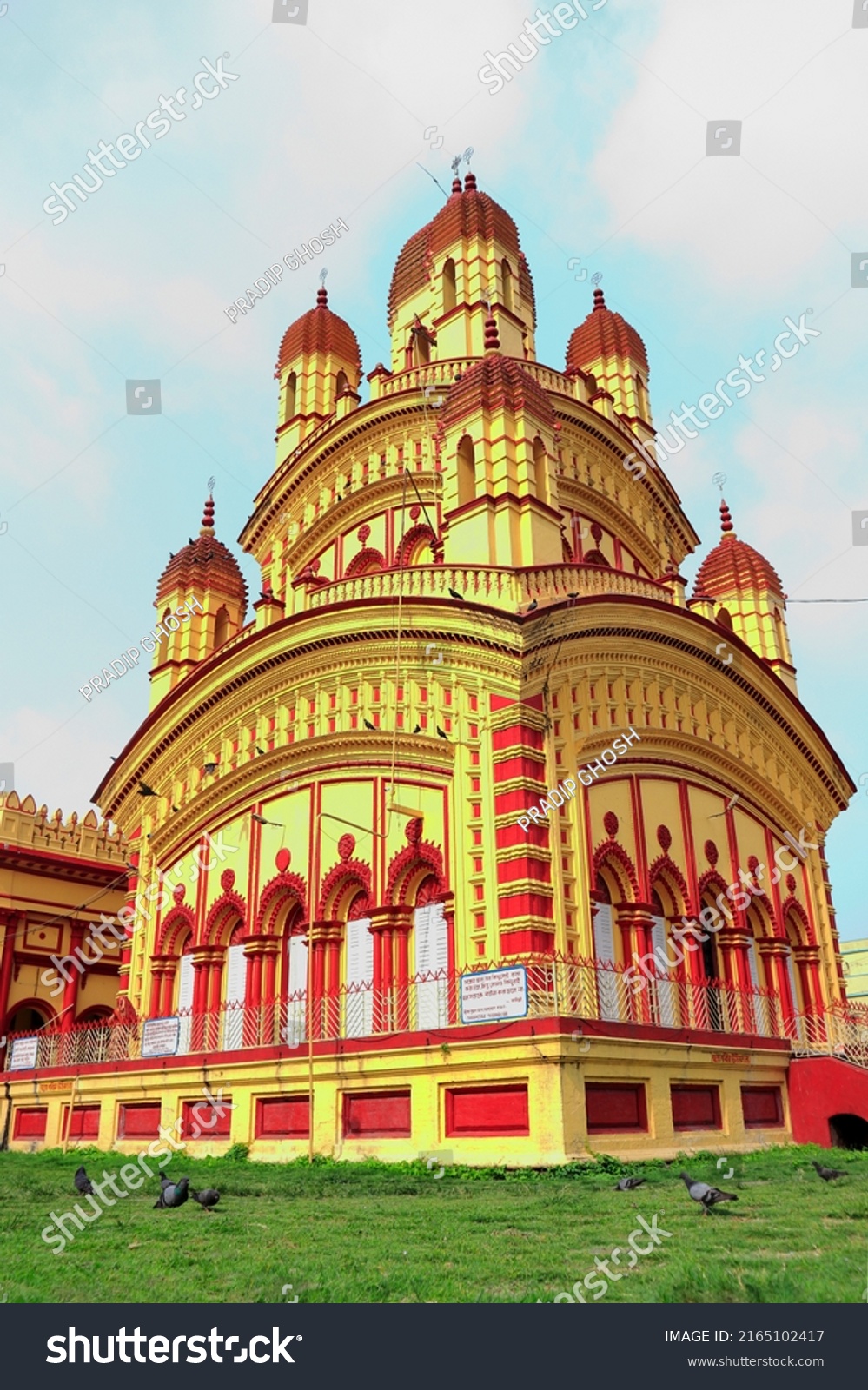
The Hinduism In India !
What is Hindutva?
Hindutva, meaning “Hinduness,” is a term popularized by Vinayak Damodar Savarkar in the 1920s. It is not a religion, but a political and cultural ideology. Hindutva emphasizes the idea that India is fundamentally a land of Hindus, and that Hindu culture should be the dominant identity of the nation.
Hindutva was adopted by groups like the Rashtriya Swayamsevak Sangh (RSS) majorly and later minorly political parties like the Bharatiya Janata Party (BJP). Supporters argue that it promotes unity, national pride, and cultural revival. Critics, however, say it can be exclusionary and sometimes used to target minorities or suppress dissent.
Hinduism vs Hindutva: Key Differences:
- Hinduism is spiritual and philosophical; Hindutva is political and ideological.
- Hinduism embraces diversity and openness; Hindutva often promotes a more rigid, uniform identity.
- Hinduism has existed for thousands of years; Hindutva emerged in the 20th century.
While many Hindus follow their religion peacefully, not all agree with the political interpretations of Hindutva. It remains a subject of national debate.
Role in Modern India:Today, Hinduism continues to influence Indian art, music, education, and family values. Hindutva, on the other hand, shapes debates on nationalism, minority rights, and secularism. The growth of religious identity politics has made the difference between these two ideas more important than ever.
Understanding the difference between Hinduism and Hindutva is crucial for anyone interested in Indian society and politics. While Hinduism is a timeless spiritual path, Hindutva is a modern ideology tied closely to political movements. India, as a diverse and democratic nation, continues to navigate the balance between faith, identity, and secular values.